
Feeling like your head’s in a haze when you’re studying—or even in the middle of an exam?
You’re not alone. Brain fog isn’t an official medical diagnosis, but it’s a common feeling of mental cloudiness, sluggish thinking, and poor focus that can seriously affect your performance.
What Does Brain Fog Feel Like?
You can’t seem to focus on what you’re reading or revising.
Information doesn’t “stick” no matter how many times you go over it.
Your thinking feels slow, even when you’re trying hard.
You feel tired but not rested.
Why Brain Fog Happens to Students
- Stress & Fatigue
Revision deadlines, pressure from school, and exam anxiety can overload your brain, making it harder to think clearly.
- Lack of Sleep
Sleep is when your brain processes and stores information. Without enough rest, your recall and focus drop sharply.
- Weak Lifestyle Foundations
Poor nutrition, dehydration, and little to no exercise reduce the fuel your brain needs to function.
- Emotional Strain
Anxiety, low mood, and constant worry can disrupt concentration and memory.
How to Clear the Cognitive Fog
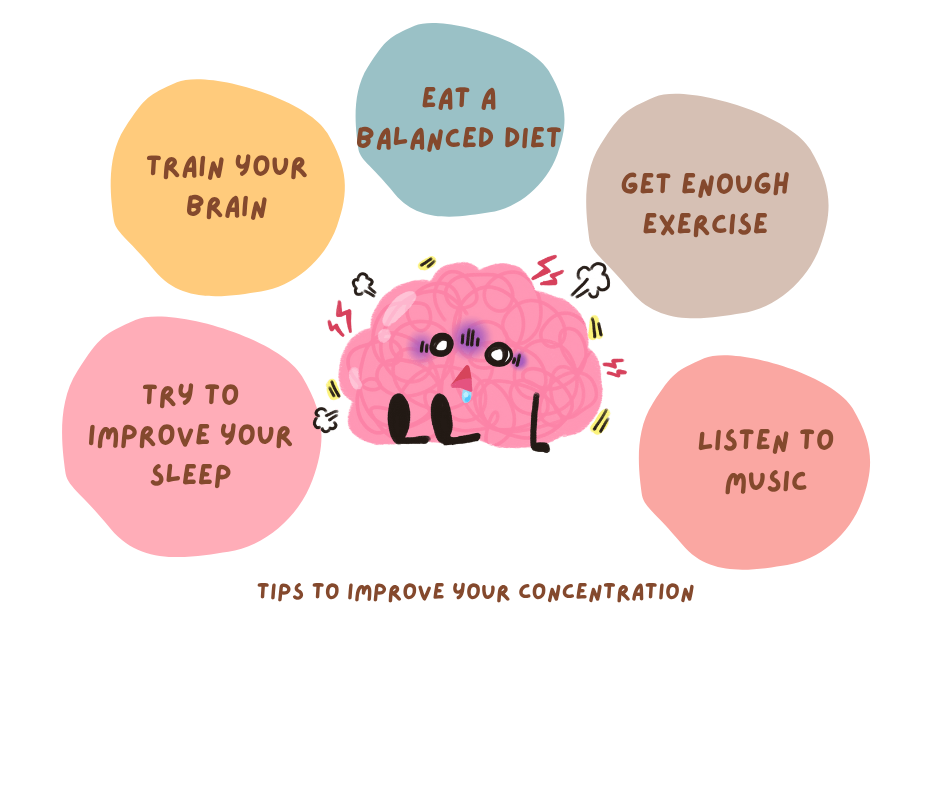
- Sleep as a Study Tool
Aim for 7–9 hours of quality sleep each night. Set a consistent bedtime and wake-up time, even on weekends.
- Fuel Your Brain
Eat balanced meals with whole grains, protein, fruits, and vegetables.
Snack on brain-friendly foods like nuts, yogurt, or salmon.
Stay hydrated—keep a water bottle nearby.
- Move to Think
Even a 10-minute walk or stretching between study sessions increases blood flow to the brain, boosting alertness.
- Manage Stress Proactively
Use grounding techniques before and during study breaks:
Deep breathing (inhale for 4 seconds, hold for 4, exhale for 4).
Short meditation or mindfulness practice.
Light stretches to release tension.
- Create Structure
Break study tasks into small, specific goals (“finish 1 chapter,” “practice 10 questions”).
Study at your most alert time—often in the morning.
Keep your study area quiet and distraction-free.
- Study Smart, Not Hard
Focus on understanding concepts, not just memorizing words.
Use flashcards, mind maps, and mnemonics for better recall.
- Seek Help When Needed
If brain fog lasts for weeks, worsens, or affects daily life, talk to a teacher, counselor, or doctor. It could be a sign of underlying stress or other health issues.
Student Brain Fog Prevention Checklist
Habit Action
Sleep 7–9 hours nightly, consistent schedule
Hydration Drink water regularly during study and exams
Nutrition Eat balanced meals, brain-friendly snacks
Movement Take short walks or stretch every hour
Study Structure Break work into chunks, use quiet space
Stress Relief Breathing, mindfulness, or relaxation exercises
Support Seek help if fog persists
Final Tip: Brain fog is your brain’s way of saying it needs better care. By balancing rest, nutrition, movement, and stress control, you’ll give yourself the clarity and energy you need to ace your exams.